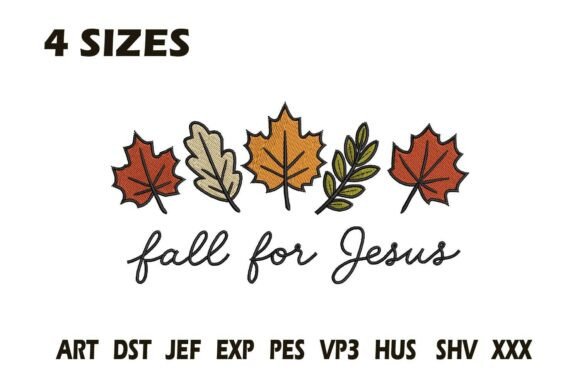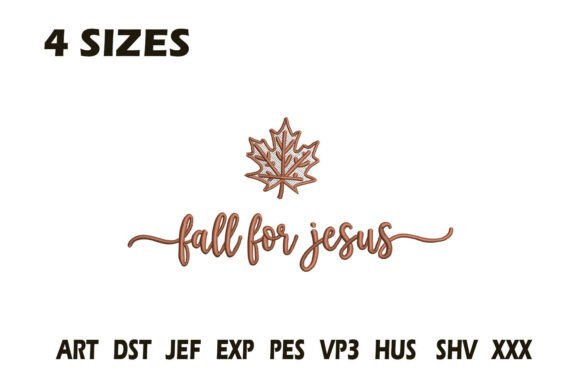
Fall for Jesus Autumn Leaf Embroidery Review
As an experienced embroidery designer who has spent years refining designs for commercial use, I approach every new file with a critical eye. When evaluating Fall for Jesus Autumn Leaf Embroidery, I am not just looking at the aesthetic; I am assessing its viability as a core asset for small business merchandise and branded patch applications. The description promises a playful design perfect for adding a whimsical touch to fabrics, but does it hold up under the scrutiny of professional production? This review breaks down how this machine embroidery design performs in real-world scenarios for boutique owners, apparel decorators, and digital file buyers.
First Impressions: Personality and Brand Fit
The title Fall for Jesus Autumn Leaf Embroidery immediately sets a specific tone. It suggests a blend of faith-based messaging with seasonal warmth. Visually, one can expect a design that leans towards rustic, friendly, and perhaps slightly playful rather than strictly corporate or ultra-minimalist. For a brand identity that values community, warmth, and approachability, this design offers a strong foundation. It feels handmade yet polished enough for retail.
In the context of brand identity, this design is ideal for businesses that want to convey trust and personal connection. Whether you are running a local café, a Christian bookstore, a handmade craft studio, or a floral shop, the "Autumn" theme allows for seasonal relevance without feeling generic. However, the "Jesus" element requires careful consideration regarding your target demographic. If your brand identity is inclusive or secular, this might be too specific. But for niche markets seeking spiritual resonance, this design acts as a powerful visual anchor that elevates customer engagement and recognition.
Real-World Business Applications
When I evaluate a design like Fall for Jesus Autumn Leaf Embroidery for commercial projects, I look beyond the t-shirt. How does it translate to physical assets that drive revenue? Here is how this embroidery file performs across various small business merch categories:
- Embroidered Patches: This design has excellent potential as a sew-on or iron-on patch. The autumn leaf motif provides a natural border, making it easy to cut out cleanly. Small business owners can use these patches on denim jackets, tote bags, or even product packaging accents to create a cohesive brand experience.
- Staff Uniforms and Aprons: For bakeries, florists, or coffee shops, staff uniforms need to be durable and welcoming. Placing this design on the chest or sleeve of an apron adds a personalized touch that customers appreciate. It transforms a standard work shirt into a branded piece of marketing material.
- Cap Embroidery: A curved cap front is a classic spot for logos. If the stitch density is manageable, this design could serve as a unique logo accent. The organic shape of the leaves fits well on the curved surface of a hat, offering a softer alternative to geometric logos.
- Tote Bag Design: Canvas tote bags are a staple for Etsy sellers and event merch. This design adds value to a simple bag, turning it into a keepsake. Customers often keep tote bags longer than promotional pens or magnets, extending the lifespan of your brand visibility.
- Custom Apparel and Product Labels: Beyond clothing, this digital embroidery file can be used on product tags or hangtags for handmade goods. It signals quality and attention to detail, suggesting that the product inside was crafted with care.
Strategic Limitations and Placement Warnings
While the design is charming, a professional must know where Fall for Jesus Autumn Leaf Embroidery should be used carefully. Not every surface is suitable for every design. I advise caution in the following areas:
Small Patch Sizes: If you plan to produce very small patches (under 2 inches), the details of the leaves and text may become muddy. High stitch density in small areas can cause fabric puckering and loss of definition. Always test the minimum size before bulk ordering.
Curved Surfaces and Cap Fronts: While caps are great, complex curves can distort straight lines or tight lettering. Ensure the digitizing accounts for the curvature of the hat so the text remains legible.
Dark Uniforms and Fabric Texture: Dark fabrics require a high thread count or a backing layer to prevent show-through. Textured fabrics, like heavy canvas or fleece, may hide fine details. If the design relies on thin outlines, they might disappear into the weave of a rougher material.
Items Requiring Frequent Washing: For items like aprons or work shirts that will be washed weekly, the durability of the stitch placement is crucial. Areas that rub against the body or get snagged frequently should avoid intricate, loose stitching. Confirm that the stabilizer choice matches the wash frequency of the garment.
Impact on Brand Identity and Professionalism
The choice of embroidery design directly influences perceived product value. A poorly executed design can make a premium product feel cheap, while a well-placed, high-quality stitch pattern enhances the finished product's appeal. Fall for Jesus Autumn Leaf Embroidery, when done correctly, signals that the business cares about aesthetics and quality.
For handmade brands and Etsy sellers, consistency is key. Using this design across multiple assets—totes, caps, and labels—creates a unified visual language. This repetition builds brand recognition over time. Furthermore, the "handmade" presentation of embroidery often resonates more deeply with customers than printed graphics, fostering a sense of authenticity and trust.
However, visual consistency also means ensuring the thread colors match your brand palette. If your brand uses specific fall tones (burnt orange, deep red, gold), ensure the embroidery file allows for those specific thread colors. Mismatched threads can break the illusion of professionalism.
Practical Designer Notes for Production
Before committing to a full production run, follow these essential steps to ensure success with this machine embroidery design:
- Test in Black and White: Convert the design to a monochrome view first. This helps you assess the balance of negative space and fill density without the distraction of color.
- Check Stitch Density: Review the file settings. If the stitch density is too high, the fabric may pucker. If too low, the design may look sparse. Adjust if necessary for the intended fabric weight.
- Inspect Spacing and Hoop Size: Ensure the design fits within your standard hoop sizes. If the design is larger than your hoop, you will need a multi-hooping strategy, which increases production time and risk of misalignment.
- Use Proper Stabilizer: The choice of stabilizer is as important as the design itself. Use cut-away stabilizers for stretchy knits like t-shirts and caps to prevent distortion over time. Tear-away may suffice for stable home decor items like towels.
- Test on Real Fabric: Never guess. Run a test sample on the actual fabric you intend to sell. Check for thread breaks, puckering, and color contrast.
- Create a Printable Mockup: Before showing clients or listing on a store, generate a realistic mockup. This allows you to visualize the final product and helps clients approve the design visually.
- Confirm Commercial Licensing: This is critical. Verify that the digital embroidery file includes a commercial license allowing you to sell finished products made from it. Without this, you risk legal issues.
- Compare Against Other Assets: Place this design beside your existing logo or other design assets to ensure the style matches. Does the font weight align? Is the level of detail consistent?
Ultimately, Fall for Jesus Autumn Leaf Embroidery is a versatile tool for small business owners looking to add a touch of seasonal charm and faith-based sentiment to their merchandise. By understanding its strengths and respecting its limitations, you can leverage this design asset to create high-value, professional-looking products that resonate with your audience.