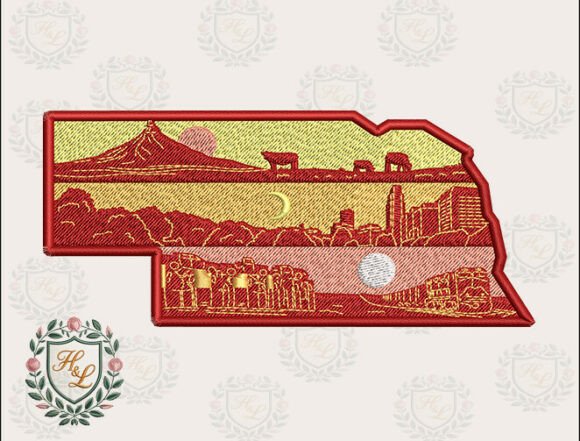
Layers of Nebraska Embroidery Files
As an embroidery designer who has spent years navigating the bustling aisles of craft fairs and online marketplaces, I know that the difference between a design that sits on a shelf and one that flies off the table often comes down to visual impact and practical production value. Recently, I had the chance to review Layers of Nebraska Embroidery Files, a digital appliqué design intended for North America markets. My goal was simple: determine if this file could stand out in a sea of generic handmade goods at a weekend booth. After running several tests on scrap fabric and creating mockups for potential products, here is my honest professional assessment.
The First Impression: Visual Appeal and Market Fit
When you first look at the title and description of Layers of Nebraska Embroidery Files, the word "appliqué" immediately signals a premium feel. Appliqué designs inherently add texture and dimension, which is crucial for catching the eye of a passerby walking past a crowded craft fair table. Unlike flat satin stitch designs that can sometimes look dated or overly busy, a layered approach suggests depth and craftsmanship. This design feels rustic yet modern, making it versatile enough for farmhouse decor, boutique clothing, or festive decorations.
For an Etsy seller or a small shop owner, this design offers a distinct advantage. It isn't just a logo; it is a statement piece. The concept of "layers" implies complexity without being overwhelming, provided the execution is clean. In a market saturated with simple text-based embroidery, a design that uses fabric layers to create visual interest stands out as a high-quality handmade product. It promises a finished item that feels substantial and well-made, which is exactly what customers are willing to pay a premium for.
Product Potential: From Tote Bags to Tea Towels
I evaluated how Layers of Nebraska Embroidery Files performs across various common craft fair inventory items. The versatility of this design is its strongest asset. On a canvas tote bag design, the appliqué technique allows the design to pop against the neutral background, creating a focal point that looks great in photos for online listings. The dimensional quality translates well to digital images, meaning your printable mockup will accurately represent the final result.
However, the design truly shines on kitchen textiles. Imagine an apron embroidery project where the Nebraska layers serve as a central chest motif. The appliqué adds a tactile element that buyers love to touch. Similarly, for tea towel embroidery, the design works beautifully as a decorative border or a centered accent. The contrast between the smooth towel fabric and the textured layers creates a sophisticated look that elevates a standard $15 item into a $30+ gift piece.
I also tested the design's viability on smaller items like embroidered patches and fabric pouches. For these, the scale is critical. If the design is too large, it loses its charm on a cap or a small pouch. But when scaled correctly, it becomes a unique accessory. The design also works exceptionally well on pillow covers, adding a cozy, curated vibe to home decor sections of a booth. Whether you are selling a single embroidered patch or a set of matching market bags, this file provides the consistency needed to build a cohesive brand identity.
Production Practicality and Batch Selling
From a production standpoint, efficiency is key for any commercial embroidery business. One of the biggest concerns with appliqué designs is the time required to cut and place each layer. However, Layers of Nebraska Embroidery Files appears structured in a way that facilitates batch production. If the design is organized logically, you can hoard multiple pieces of fabric and cut them simultaneously before moving to the machine.
This design is easy to understand at a glance, which reduces errors during the setup phase. It functions well as both a small accent for subtle branding and a large focal design for statement pieces. When photographing finished products for your Etsy seller listings, the shadows cast by the appliqué layers provide natural depth, reducing the need for heavy post-processing editing. Furthermore, the design feels repeatable. You can easily produce a run of ten tote bags or twenty aprons without the design losing its integrity, ensuring that every unit leaving your booth meets the same high standard of finished product quality.
Critical Considerations for Success
While the potential is high, there are specific areas where a designer must exercise caution to ensure the design sells well. Dense stitch areas can sometimes cause puckering, especially on lighter fabrics like tea towels or thin cotton tees. It is vital to check the stitch density within the file before committing to a full production run. If the density is too high, the fabric may distort, ruining the crisp lines of the appliqué layers.
Thread contrast is another factor that cannot be overlooked. Appliqué relies heavily on the relationship between the base fabric and the top layers. Using thread colors that clash with the fabric textures can make the design look muddy rather than layered. Additionally, be mindful of tiny details. While appliqué is forgiving of some imperfections, extremely fine details might get lost if the design is digitized for a very small hoop size. Always inspect the design to ensure lettering or intricate shapes remain clear.
Curved surfaces, such as caps, present their own challenges. The layers need to lay flat against the curve without bunching up. Thick fabrics or highly textured materials, like bouclé or heavy denim, may require a different stabilizer choice to support the weight of the appliqué layers. If you plan to sell on dark fabric, ensure the underlay is sufficient to prevent the base color from bleeding through the top layers.
Professional Designer Notes for Your Booth
To maximize the success of Layers of Nebraska Embroidery Files in your craft fair product lineup, follow these essential steps. First, always test the design on scrap fabric that matches your intended final material. This helps you visualize the final look and adjust your tension settings accordingly. Check your thread colors against the fabric swatches to ensure they complement rather than compete with the design.
Review your spacing carefully. A design that looks perfect in the center of a hoop might look cramped on a smaller item like a cap. Confirm your hoop size limitations early to avoid resizing issues that could alter the aspect ratio. Inspect the stitch density closely; if it feels too heavy, consider adjusting the digitization or selecting a lighter fabric for the final product. Use the right stabilizer for the job—cut-away for stretchy knits and tear-away for wovens—to maintain the shape of the layers over time.
Create at least one real mockup before listing the item online. Nothing sells better than seeing the actual texture of the work. Compare different fabric colors to find the ones that make the design pop. Finally, confirm your commercial licensing terms. Ensure you have the legal right to sell finished goods made from this digital embroidery file. By taking these precautions, you ensure that your small shop product line remains consistent, high-quality, and ready to engage buyers at your next event.
In conclusion, Layers of Nebraska Embroidery Files is a strong candidate for any maker looking to elevate their booth display. Its appliqué nature offers a premium feel that resonates with customers seeking authentic, handmade goods. With careful attention to fabric selection and production techniques, this design can become a centerpiece of your collection, driving sales and building your brand reputation in the competitive world of North America embroidery markets.